Kallen
Download

Guides

How to handle lower back pain from sitting on your own

The ache builds after long sitting or bending, eases once you start moving, and comes back in episodes. It is the most common form of back pain, and despite what most people assume, the overwhelming majority of episodes do not signal damage.

What it usually looks like

Aching or stiff lower back that builds with long sitting or after bending/lifting; better when moving around; no numbness, no pain radiating below the knee. Often flares in episodes.

Why it happens

Long flexed sitting plus little varied movement deconditions the deep core and glutes, so the passive structures of the lumbar spine take load they were never meant to carry alone. The back is strong and robust; most episodes are the body asking for movement and capacity, not a sign of damage.

Specifics

Clear answers and practical doses

Find specific answers about setup, dosage and timing, with the same numbers shown in the plan further down the page.

01

How often should I get up from my desk if sitting hurts my lower back?

Change position every 30–45 minutes. The protocol puts it plainly: motion is lotion, and short walks beat any single “perfect” posture. The goal is not sitting up straighter but not staying long in any one position. Kallen times those breaks with Reverse Sitting and hands you a 35–50-second Mobility Snack at the end of each work block.

02

Which exercises are safe in the first week of lower back pain from sitting?

The protocol’s first phase, “Calm it down”, lasts 1–2 weeks: 90/90 Breathing, Cat-Cow, Open Book and Crocodile Breathing. The dose is little and often: twice a day, slow tempo, staying under 4/10 discomfort, with Cat-Cow moving on the breath. Meanwhile you keep walking and doing daily life within tolerable pain.

03

How long does an episode of lower back pain from sitting usually last?

Most episodes improve clearly within 2–6 weeks, and building the capacity that prevents the next one takes 2–3 months. Flare-ups along the way are normal, not failure. The exception is the 3 red flags listed on this page: with any of them, book a professional instead of waiting it out.

When to see a professional

  • Numbness in the saddle area, or new trouble controlling bladder/bowel; emergency care immediately.
  • Leg weakness that is getting worse (foot slapping, tripping); see a professional promptly.
  • Night pain that no position eases, fever, unexplained weight loss, or pain after real trauma; get it checked in person soon.

These signs do not mean you must stop moving. Have them assessed in person and continue only with movement that is safe for you.

What you can do from today

  • Motion is lotion: change position every 30-45 min; short walks beat any single "perfect" posture.
  • Keep walking and doing daily life within tolerable pain (≤4/10); bed rest slows recovery.
  • Sleep: side-lying with a pillow between the knees usually eases the first painful mornings.

In Kallen: turn on Reverse Sitting

Start a 25, 45 or 60-minute work block and let Kallen track the time. When it ends, Kallen draws one of 19 Mobility Snacks matched to the tight areas in your profile. Each takes 35–50 seconds; 10 can be done seated and the rest standing beside your desk. Then you return to work.

Your plan, phase by phase

This is how the protocol appears in the app. The coach adapts the pace and dosage to your measurements. You advance when you meet the phase criterion, not when a date arrives.

Phase 1 · 1-2 weeks

Calm it down

Goal

Reduce guarding and fear of movement, restore gentle motion

Dosage

Little and often: 2x/day, slow tempo, stay under 4/10 discomfort. Cat-cow: move with the breath.

Move on when

Daily tasks and walking feel manageable and morning stiffness eases within 30 min.

Exercises

90/90 BreathingCat-CowOpen BookCrocodile Breathing

Phase 2 · 2-4 weeks

Build capacity

Goal

Wake up the deep core and glutes so the spine stops working alone

Dosage

Quality over reps: slow, exhale on effort. Side plank from knees first if needed.

Move on when

Bird-dog and side plank feel controlled on both sides; pain episodes shorter and rarer.

Exercises

Dead BugBird DogGlute BridgeSide Plank

Phase 3 · 3-6 weeks

Make it robust

Goal

Load the hinge pattern so lifting and long days stop being threats

Dosage

Hinge first with a dowel/broomstick cue if available; add range before adding speed.

Move on when

A full desk day + a workout no longer flare it; hinge feels natural.

Exercises

Hip Hinge PatternSingle-Leg Romanian DeadliftBodyweight SquatPallof Press

How long it takes

Most episodes improve clearly within 2-6 weeks; building the capacity that prevents the next one takes 2-3 months. Flare-ups during the process are normal, not failure.

Common questions

Should I rest in bed when my back hurts?

No. Bed rest slows recovery. Walking and ordinary activity within tolerable pain, roughly up to 4 out of 10, is the current standard of care. Movement is the best lubrication a spine has.

When does back pain need urgent attention?

Numbness around the saddle area, or new bladder or bowel control problems, means emergency care immediately. Progressive leg weakness, fever, unexplained weight loss, or pain after real trauma need a professional promptly. Most other episodes do not.

Will an MRI tell me what is wrong?

Rarely. Disc bulges and degenerative changes are extremely common in people with no pain at all, so the image alone does not explain symptoms. Scans earn their place when red-flag signs are present or a specific intervention is on the table.

Check your own results

Measure your range of motion in Kallen, build your Movement Profile and follow the plan step by step.

Download Kallen
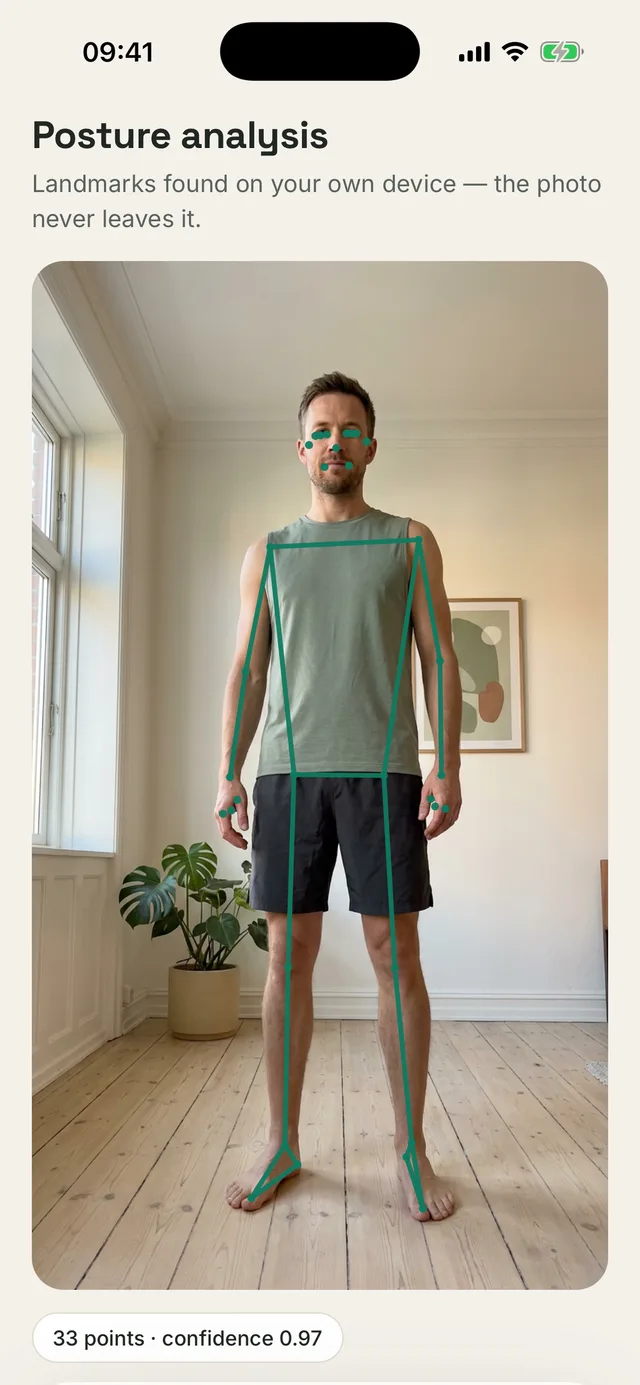
Kallen app screen: a front-on photo with 33 pose landmarks drawn over it

Posture analysis · front